
[vc_row][vc_column][vc_column_text css=””]
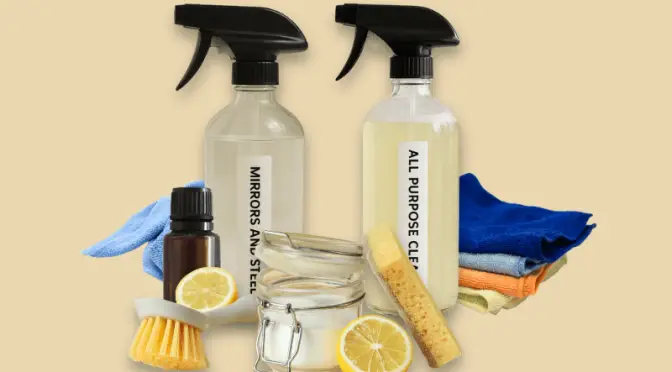
Households around the world rely on cleaning products to keep kitchens, bathrooms, and living spaces fresh and safe. But many commercial products, especially those with bleach, contain harsh chemicals that can irritate the skin, damage surfaces, and harm the environment. The good news? You can make your own eco-friendly cleaning products at home using ingredients you already have in your pantry.
These natural recipes are affordable, safe for your family, and powerful enough to replace bleach in most cleaning tasks. Below, you’ll find detailed instructions, safety notes, and ingredient breakdowns to help you get started.
[/vc_column_text][/vc_column][/vc_row][vc_row][vc_column][vc_column_text css=””]
Why Switch to Eco-friendly Cleaning Products?
Traditional cleaning products often rely on sodium hypochlorite (bleach) or synthetic surfactants. While effective, these can trigger asthma, pollute waterways, and even damage the very surfaces you’re trying to clean.
By switching to homemade cleaners, you:
-
Protect your health from unnecessary chemical exposure.
-
Reduce indoor air pollution caused by volatile organic compounds (VOCs).
-
Save money by using inexpensive ingredients like vinegar and baking soda.
-
Lower your plastic waste footprint by reusing spray bottles and jars.
-
Enjoy customizable scents from essential oils and herbs.
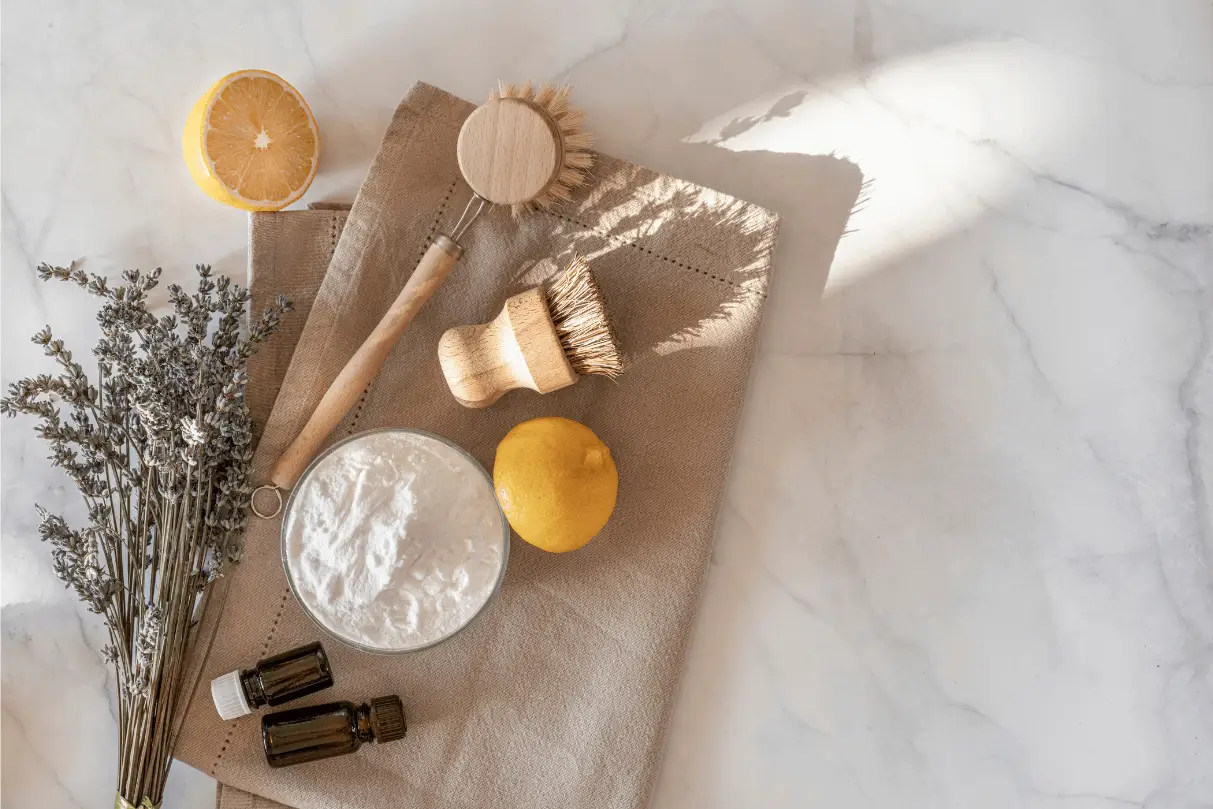
Eco-friendly cleaning is more than just a trend; it’s a healthier lifestyle choice for people and the planet.
[/vc_column_text][/vc_column][/vc_row][vc_row][vc_column][vc_column_text css=””]
Key Ingredients in Homeade Cleaning Products
Before diving into recipes, let’s look at the powerhouse ingredients you’ll be using.
Castile Soap
Castile soap is a plant-based, biodegradable soap made from vegetable oils (often olive or coconut). Unlike synthetic detergents, it’s gentle yet effective.
-
Best for: All-purpose cleaning, mopping, degreasing.
-
Safety note: Avoid mixing castile soap with vinegar—it can curdle and reduce effectiveness.
White Vinegar
Vinegar’s acidity cuts through grease, dissolves mineral deposits, and deodorizes surfaces.
-
Best for: Glass, stainless steel, tile, and deodorizing drains.
-
Safety note: Do not use vinegar on natural stone like granite, marble, or quartz; it can etch surfaces.
Isopropyl Alcohol
Alcohol evaporates quickly, disinfects, and leaves surfaces streak-free.
-
Best for: Mirrors, stainless steel, electronics, and all-purpose sprays.
-
Safety note: Keep away from flames and avoid mixing with hydrogen peroxide.
Hydrogen Peroxide
Hydrogen peroxide (3% solution) is a non-toxic disinfectant that breaks down into oxygen and water.
-
Best for: Bathrooms, mold removal, cutting boards, and laundry whitening.
-
Safety note: Store in a dark bottle to prevent breakdown from light.
Baking Soda
Baking soda adds gentle abrasion for scrubbing without scratching. It also neutralizes odors.
-
Best for: Stovetops, tubs, sinks, and deodorizing carpets
[/vc_column_text][/vc_column][/vc_row][vc_row][vc_column width=”2/3″][vc_column_text css=””]
Essential Oils
Essential oils not only add fragrance but also bring antimicrobial properties.
-
Popular options:
-
Tea tree oil: Antifungal and antibacterial.
-
Lemon oil: Cuts grease and leaves a fresh scent.
-
Lavender oil: Calming fragrance with antibacterial qualities.
-
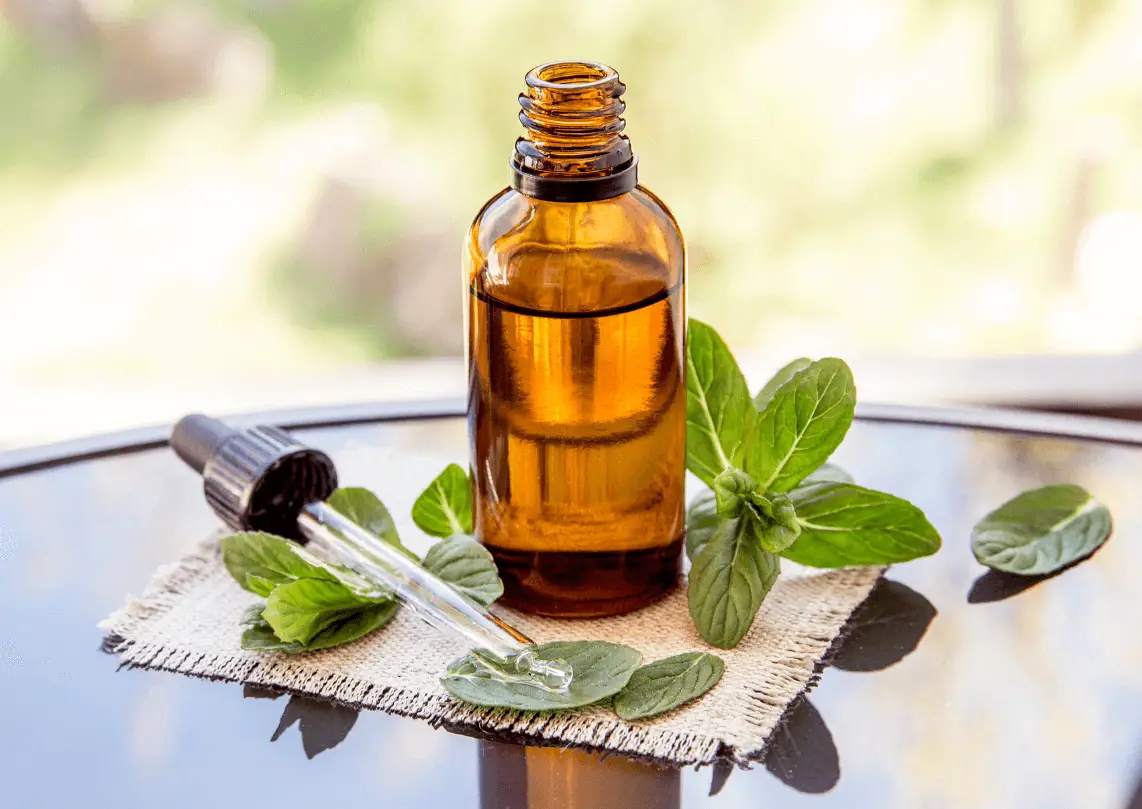
Peppermint oil: Repels pests and deodorizes.
-
[/vc_column_text][/vc_column][vc_column width=”1/3″][vc_column_text css=””]
 [/vc_column_text][/vc_column][/vc_row][vc_row][vc_column width=”2/3″][vc_column_text css=””]
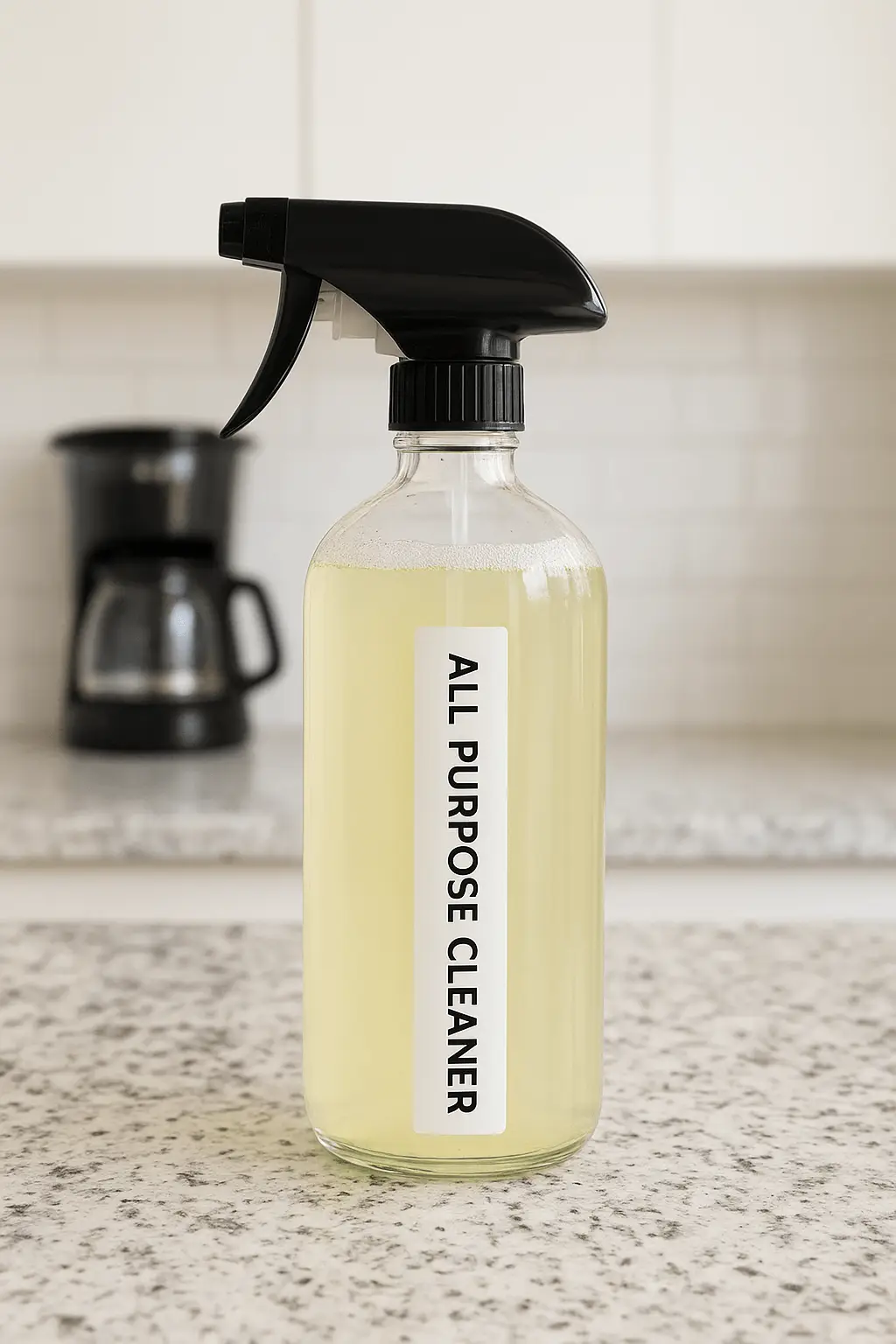
Recipe 1: All purpose Cleaner
This is the go-to solution for almost everything in your home.
Ingredients:
-
1-2 cups water
-
¼ cup isopropyl alcohol (70% or higher)
-
1 tablespoon liquid castile soap
-
10–15 drops essential oil (lemon, lavender, or tea tree)
Instructions:
-
Add ingredients to a spray bottle.
-
Shake gently to combine.
-
Spray and wipe with a cloth for daily cleaning.
Custom Variations:
-
Kitchen version: Add more isopropyl alcohol for stronger disinfecting.
-
Bathroom version: Swap alcohol for hydrogen peroxide and increase castile soap for more scrubbing power.
⚠️ Never mix alcohol and hydrogen peroxide together.
[/vc_column_text][/vc_column][vc_column width=”1/3″][vc_column_text css=””]
 [/vc_column_text][/vc_column][/vc_row][vc_row][vc_column width=”2/3″][vc_column_text css=””]
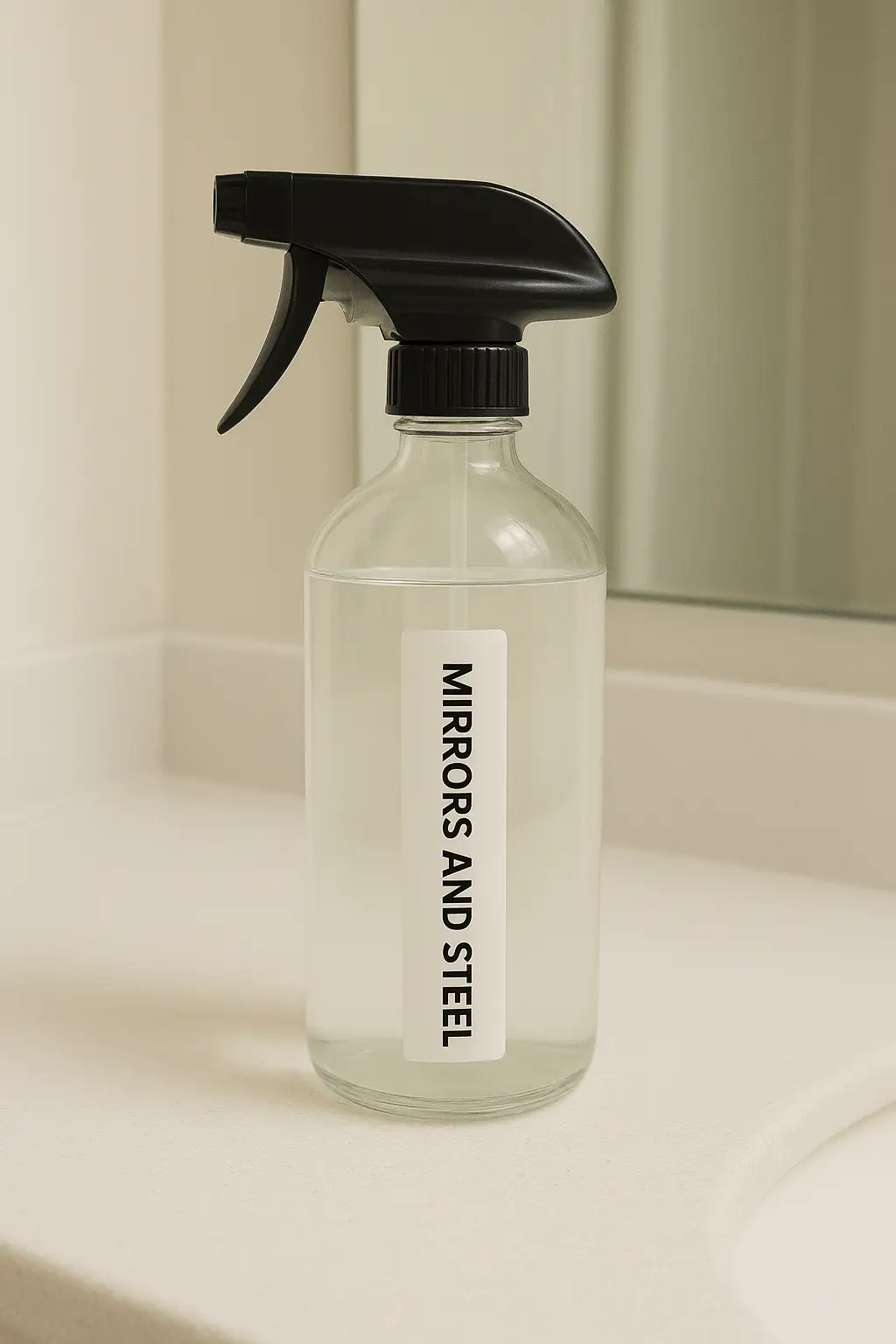
Recipe 2: Mirror and Stainless Steel Cleaner
Say goodbye to streaks and fingerprints with this quick-drying cleaner.
Ingredients:
-
1 cup isopropyl alcohol
-
½ cup white vinegar
-
1 tablespoon cornstarch (optional for extra streak-free shine)
-
10 drops peppermint or eucalyptus essential oil
Instructions:
-
Mix all ingredients in a spray bottle.
-
Shake well before each use (cornstarch can settle).
-
Spray lightly and wipe with a microfiber cloth.
Safety Tip: Do not use on stone surfaces. Alcohol and vinegar can damage natural stone finishes.
[/vc_column_text][/vc_column][vc_column width=”1/3″][vc_column_text css=””]
 [/vc_column_text][/vc_column][/vc_row][vc_row][vc_column width=”2/3″][vc_column_text css=””]
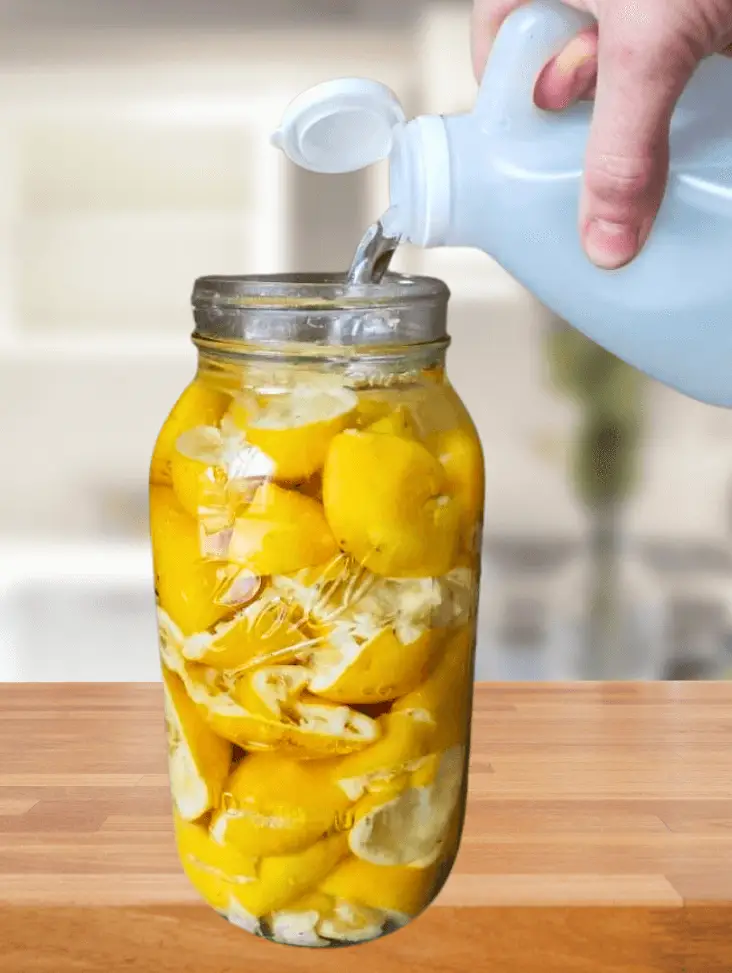
Recipe 3: Citrus Vinegar Cleaner
Vinegar’s scent can be sharp, but infusing it with citrus peels or herbs makes a fresh, natural alternative.
Ingredients:
-
Citrus peels (orange, lemon, lime, or grapefruit)
-
White vinegar
-
Optional: rosemary sprigs, lavender stems, cinnamon sticks, or fir needles
Instructions:
-
Fill a glass jar halfway with citrus peels.
-
Add optional herbs or spices for a unique scent.
-
Pour vinegar to cover the peels completely.
-
Seal and let sit for 2–3 weeks.
-
Strain to remove the peels from the solution.
- Add one cup into your spray bottle with one cup of water.
This cleaner works on counters, sinks, and bathroom fixtures. For tough messes, spray and let it sit before wiping.
Note: Avoid using vinegar cleaners on stone surfaces or waxed wood.
[/vc_column_text][/vc_column][vc_column width=”1/3″][vc_column_text css=””]
 [/vc_column_text][/vc_column][/vc_row][vc_row][vc_column width=”2/3″][vc_column_text css=””]
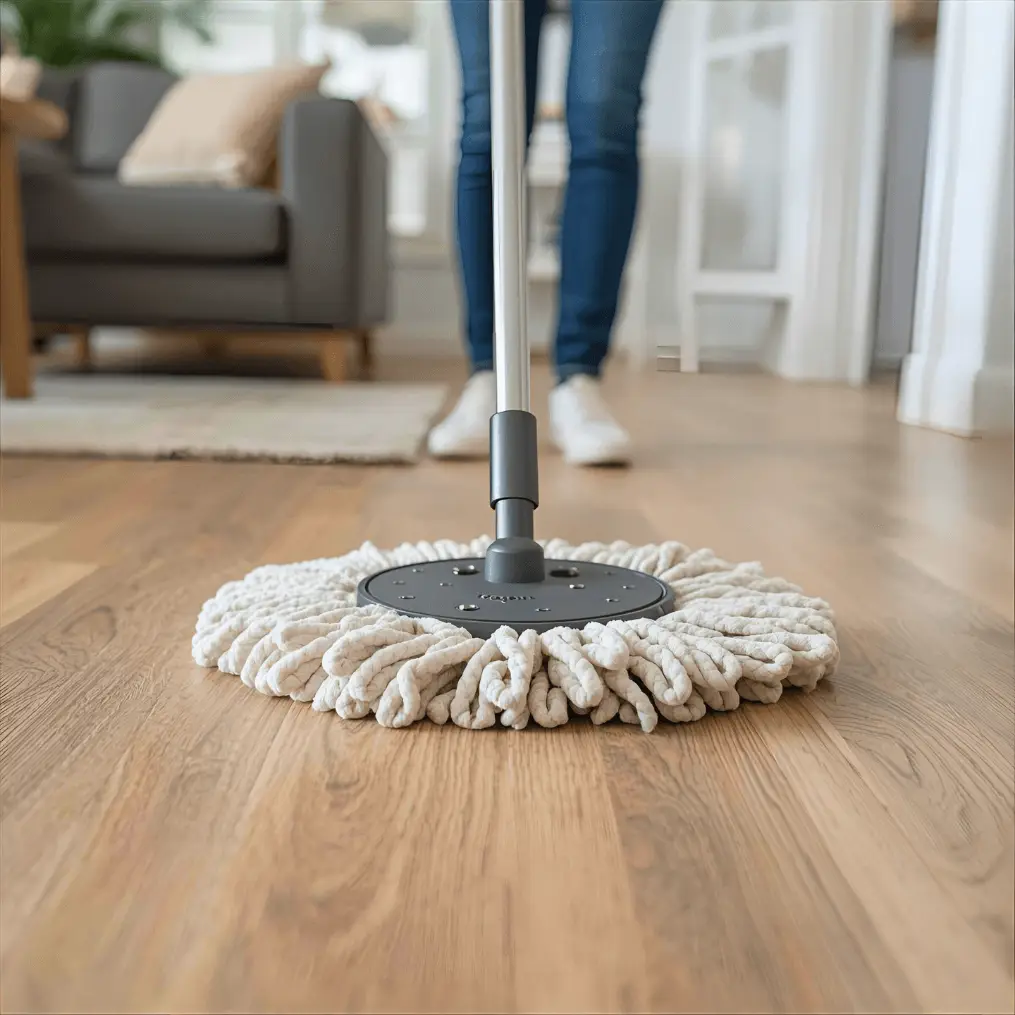
Recipe 4: Floor Mopping Solution
Your floors deserve a safe, streak-free clean without bleach or synthetic floor cleaners.
Ingredients (basic version):
-
1 gallon warm water
-
½ cup white vinegar
-
10 drops essential oil (tea tree, lemon, or lavender)
Instructions:
-
Combine ingredients in a bucket.
-
Dip your mop, wring it out well, and mop floors as usual.
Variations:
-
Wood floors: Use only ¼ cup vinegar and add 1 teaspoon olive oil for conditioning.
-
Tile or stone floors: Replace vinegar with 2 teaspoons castile soap to avoid etching (dulling or pitting of the surface caused by acid).
[/vc_column_text][/vc_column][vc_column width=”1/3″][vc_column_text css=””]
 [/vc_column_text][/vc_column][/vc_row][vc_row][vc_column width=”2/3″][vc_column_text css=””]
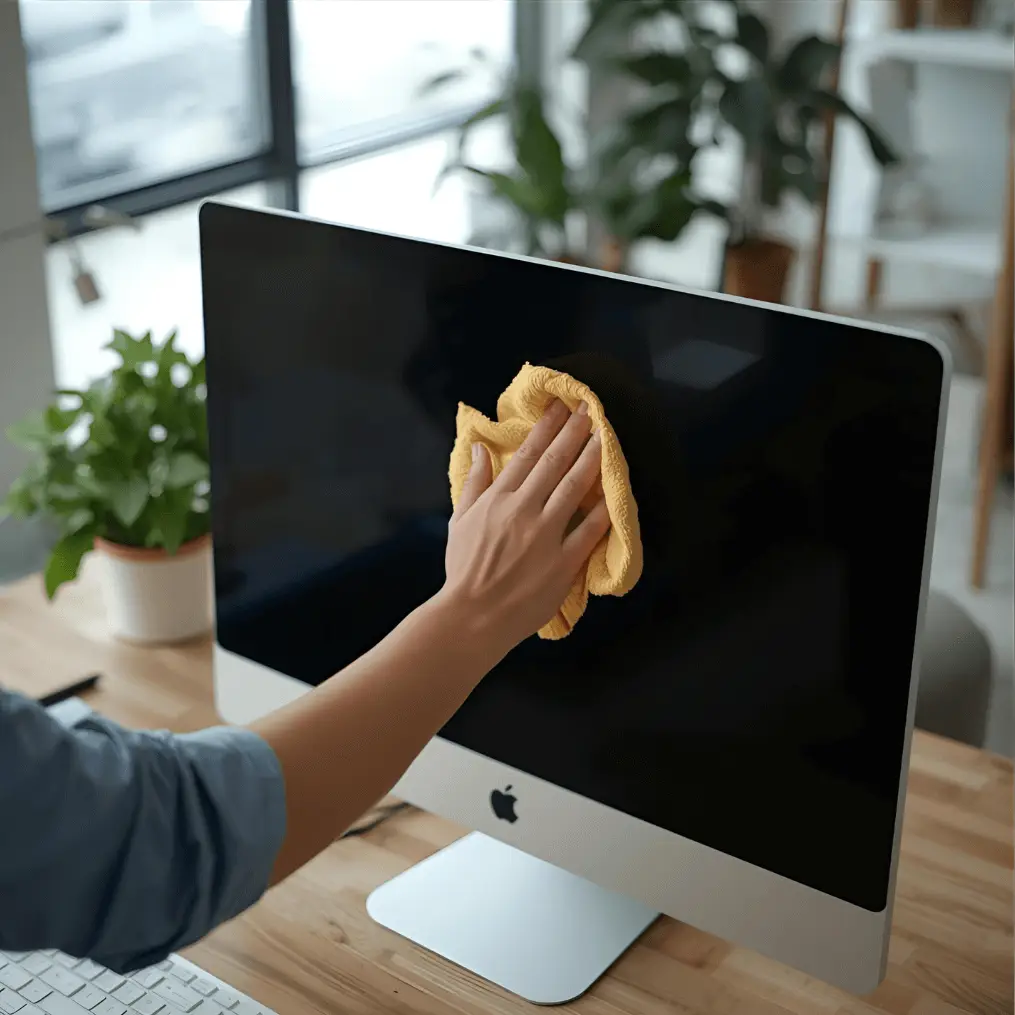
Recipe 5: Screen Cleaner (Phones, Tablets, and Computers)
Electronics collect fingerprints, dust, and bacteria, but they require gentle cleaners that won’t damage protective coatings.
Ingredients:
-
½ cup distilled water
-
½ cup isopropyl alcohol (70% solution)
-
5 drops lavender or lemon essential oil (optional for a light scent)
Instructions:
-
Mix water and alcohol in a small spray bottle.
-
Spray onto a microfiber cloth (never directly on the screen).
-
Wipe screens gently in circular motions.
This solution evaporates quickly and leaves screens streak-free.
[/vc_column_text][/vc_column][vc_column width=”1/3″][vc_column_text css=””]
 [/vc_column_text][/vc_column][/vc_row][vc_row][vc_column][vc_column_text css=””]
Bonus Scrubbing Helpers
Sometimes spray cleaners aren’t enough. For stubborn grime, turn to these natural abrasives:
-
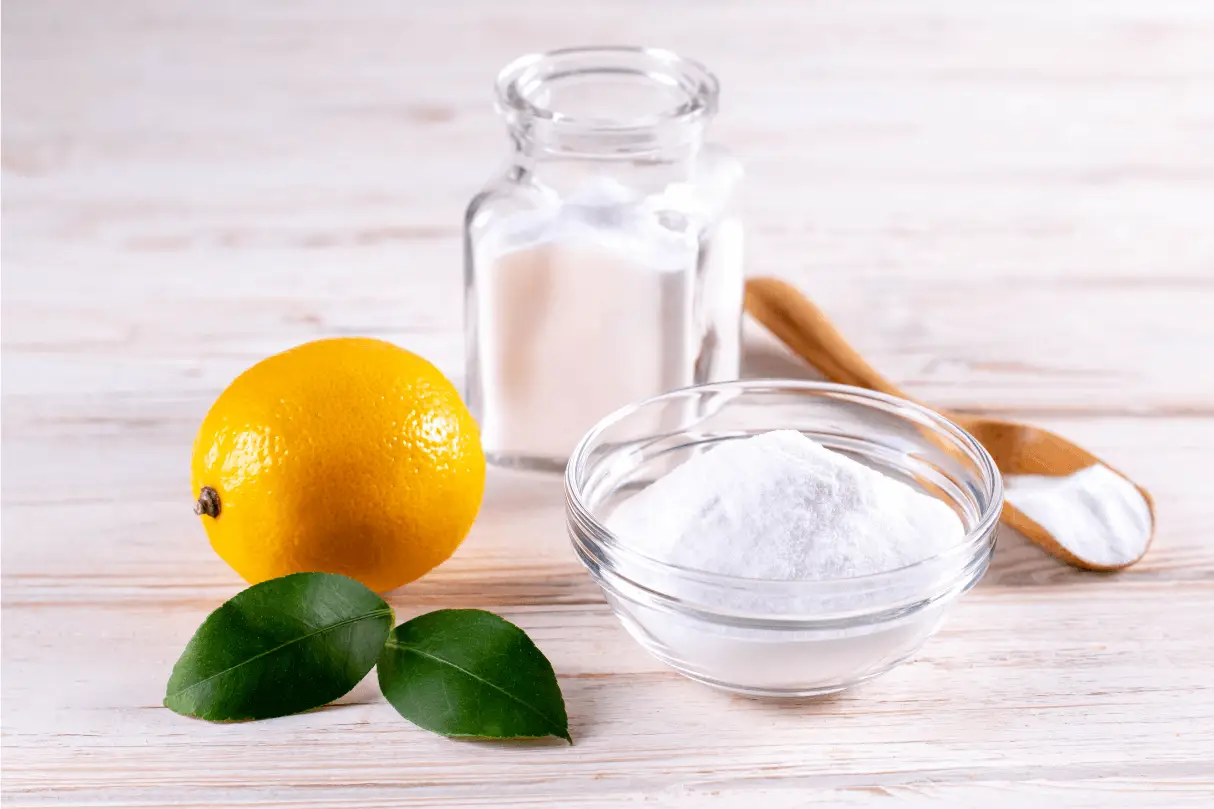
Baking Soda: Sprinkle on stovetops or sinks, scrub with a damp sponge, then rinse.
-
Salt: Works as a natural scouring agent. Combine with lemon juice for cleaning cutting boards or scrubbing mugs.
-
Lemon Juice: Natural bleach alternative for stains and laundry whitening.
[/vc_column_text][/vc_column][/vc_row][vc_row][vc_column][vc_column_text css=””]
What not to Clean with Vinegar
Vinegar is one of the most versatile eco-friendly cleaners, but it’s not safe for every surface. Because it’s acidic, vinegar can damage or dull certain materials over time.
Here are surfaces you should avoid cleaning with vinegar:
-
Natural Stone (Granite, Marble, Quartzite, Travertine): The acid causes etching, which looks like dull spots, discoloration, or pitting.
-
Tile Grout (Unsealed): Vinegar can weaken grout, causing erosion.
-
Waxed Wood: It strips away protective wax and leaves the wood vulnerable.
-
Cast Iron Cookware: Vinegar removes seasoning and promotes rust.
-
Aluminum and Certain Metals: The acid can cause corrosion and dark spots.
-
Electronic Screens: Vinegar can damage protective coatings. Use an alcohol-based cleaner instead.
[/vc_column_text][/vc_column][/vc_row][vc_row][vc_column][vc_column_text css=””]
Eco-Friendly Cleaning Safety Tips
-
Always label your homemade cleaners.
-
Store them in reusable glass or high-quality plastic spray bottles.
-
Keep vinegar-based cleaners away from stone surfaces.
-
Test cleaners on a small, hidden spot before applying widely.
-
Store hydrogen peroxide in dark bottles to maintain potency.
[/vc_column_text][/vc_column][/vc_row][vc_row][vc_column][vc_column_text css=””]
Final Thoughts
You don’t need harsh chemicals or bleach to achieve a sparkling clean home. With simple ingredients like vinegar, castile soap, essential oils, and baking soda, you can create versatile, effective, and eco-friendly cleaning products.
These homemade cleaners protect your health, save money, and reduce waste, all while keeping your home fresh and safe. Start with one recipe, experiment with scents and strengths, and you’ll soon replace store-bought bleach-based cleaners for good.
Your home (and the planet) will thank you.
[/vc_column_text][/vc_column][/vc_row]
Leave a Reply